
In an article for Fortune recounting his time leading the auto task force, Steve Rattner drops this nugget about the (mis)management of General Motors:
At GM’s Renaissance Center headquarters, the top brass were sequestered on the uppermost floor, behind locked and guarded glass doors. Executives housed on that floor had elevator cards that allowed them to descend to their private garage without stopping at any of the intervening floors (no mixing with the drones).
Contrast this with the milieu at Bloomberg LP:
The central fact about Bloomberg’s new headquarters in midtown Manhattan is that it is nonhierarchical, having no private offices; all employees, from the brass on down, sit in long rows of terminal-laden desks.
Similarly, of Mayor Bloomberg, the New Yorker observed that he “works in a cubicle no bigger than his secretary’s.” Tim Gray, of TMCnet, elaborates:
When … [Michael] Bloomberg took office back in 2002, he ripped out City Hall’s traditional “office” setup and went about constructing a “bullpen” with a series of office cubicles, where he set up shop square in the middle.
The boss … placed himself in the center cubicle right next to new hires and middle rung employees of the country’s biggest city?
You bet he did …
“Walls are barriers, and my job is to remove them,” the billionaire businessman told the New York Times at the time …
The cubicles idea, Bloomberg has said, is to create an atmosphere of openness with the boss out front without anything hidden.

“Success is a lousy teacher,” Bill Gates once quipped. We learn so much more by studying our failures than we do by sipping champagne.
Sadly, this lesson seems to be lost on the organizers of Gov 2.0 conferences. As my colleague, Steve Radick, observes, we don’t need another event to learn about the virtues of transparency or crowdsourcing; we need an event to learn how to secure and expand buy-in for these things from the C suite. Specifically, Steve suggests, we need to:
1. Realize that not all is perfect in the land of Gov 2.0. While we’ve had a lot of success, let’s not sweep our weaknesses under the rug. Let’s identify what’s going wrong and talk about it. We have showcases to talk about all of the successes—why don’t we have an event to talk about the challenges we’re facing and how to overcome them?
2. Identify the skeptics and open up a dialogue with them. Let’s stop talking about how great we all are amongst ourselves. I want a conference where that CIO who continues to block access to social media talks about why he’s blocking it. I want to hear from that Admiral explaining why he’s banned his sailors from using social media. I want to go to an event where I can talk with the guy who decided to shut down the UGov e-mail system and learn more about the pressures he’s facing.
3. Hear the war stories of the people who have gone before us. Listen, I know that there have been people who have been fired, reprimanded, demoted, moved to another project, and just flat-out yelled at for some of their Gov 2.0 efforts. What happened and why? What are the battles that people are facing? What are the battles that have been won and lost? I know that I’ve dealt with people yelling at me, laughing at me, and/or dismissing me for my Gov 2.0 efforts over the last three years—I’m sure there are others out there who would be able to learn from these experiences, just as I have.
Happily, it appears that a remedial confab, The Shortfalls of Government 2.0, is in progress. Here’s hoping this shortfall will become our windfall.

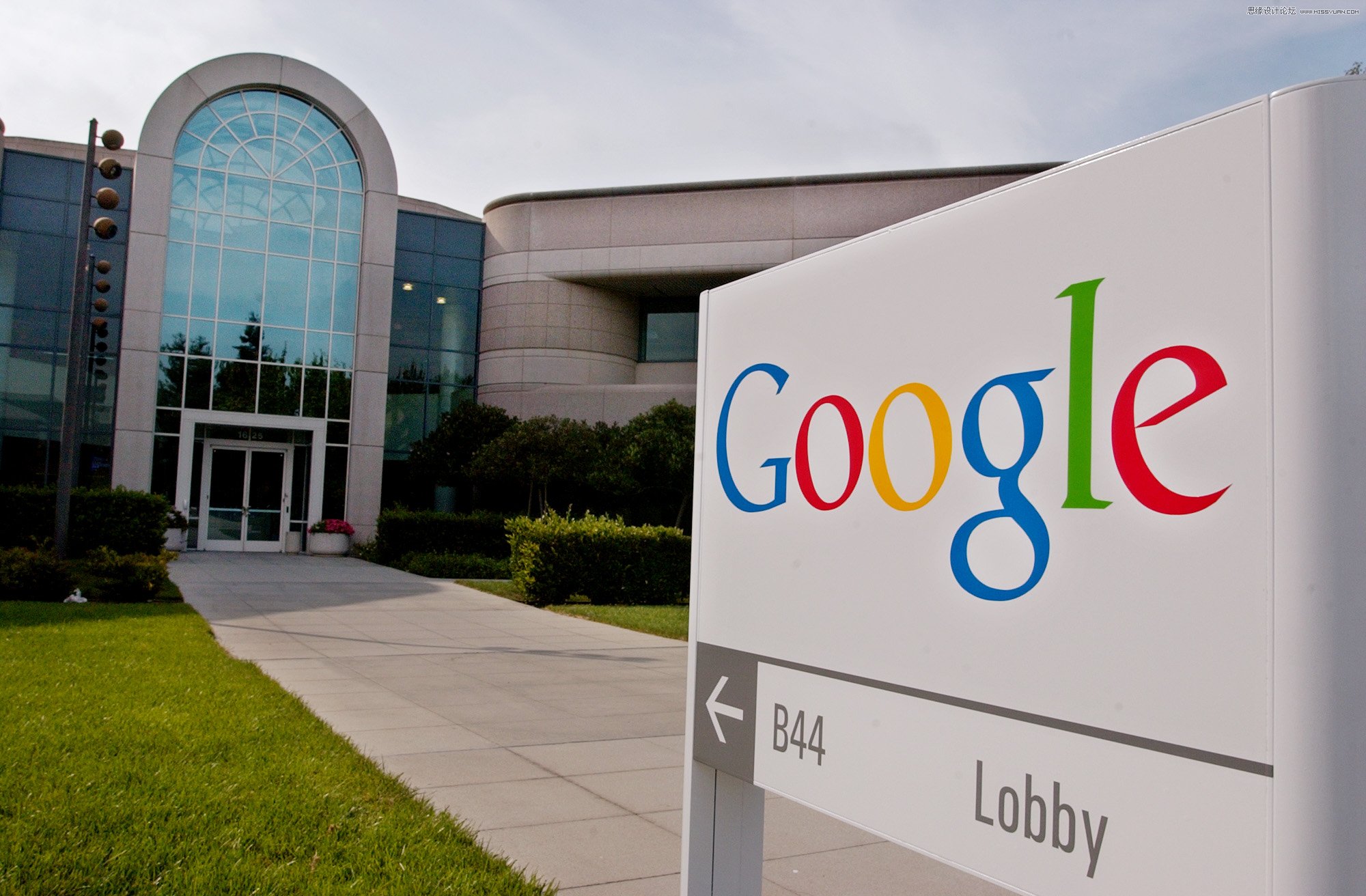
Last week, Google announced better-than-expected earnings for Q3 2009. Predictably, its stock rose 3.76%.
Yet in our worship of the search giant, we overlook that 11 years after its founding, Google remains a one trick pony. As Jonathan Last recently observed,
Its home-grown products, such as Orkut, Knols, Lively, and Google Checkout (knockoffs of Facebook, Wikipedia, Second Life, and PayPal, respectively), have been failures. Google’s biggest successes have come from acquisitions. For instance, Google bought YouTube after its own attempt at video on the web, Google Video, crashed and burned. And did the same with Blogger after its blog platform, Pyra Labs, failed. Even the “successful” acquisitions Google has made—Google Earth, Google Maps, Google Docs, and Blogger were all purchases, too—have taken up resources without creating significant revenue.
Indeed, Google’s latest—the much-heralded Google Wave—has been a flop, and the market share of its much-publicized Chrome browser is a rounding error. Despite restless ambitions and an ever-growing footprint, the company remains stunningly, unhealthily dependent on a single revenue source: advertising.
“Yet even here,” Last continues, its results are mixed.
Those text ads are dynamite, but Google couldn’t master the banner ad business and eventually resorted to simply buying DoubleClick, the industry leader. Eager to extend their tentacles into other ad mediums, Google started selling print ads, TV ads, and radio ads. The print and audio divisions performed so badly that they’ve already been shut down. The TV division is still limping along lamely.
By contrast, Microsoft owes its success not only to Windows, but also to Office.
“And here’s another reality check,” adds Chris Thompson. “Plenty of tech firms are still head and shoulders above Google, at least in terms of revenue.” Apple’s at #71 on the Fortune 500, Intel’s at #61, and Dell is swaggering around at #33.
We may live in a Google world, but that world fades when we unplug from the Internet.
Before entering the digital space…
I flacked for the American Conservative Union and the Cato Institute, and reported for Time magazine and the Pittsburgh Tribune-Review.